



We are very pleased to announce that the Boyd Institute has hired its first-ever intern. If you are a Substack native, you may know him by his pseudonym: The Mont Pelerin Review.
He also has an IRL name, Austin. Austin is a neoliberal-maxxing student of economics at the George Washington University, a well-read scholar of political philosophy and economic history, and a damn-talented writer. He hopes to bring his previous institutional experience — as well as his writing talents — to bear at Boyd by helping us raise bolder, more heterodox policy ideas this summer.1
With that in mind, here is Austin’s first Boyd essay.
Liberalism: Its Meaning and Application For The 21st Century
Words often have ambiguous and unstable meanings, especially in politics. For most of the 19th century, a liberal was someone who believed in individual rights, limited government, and, from those principles, free market capitalism.
Classical liberalism held that economic freedom and political freedom were not merely compatible but inseparable: that secure property rights, voluntary exchange, and the rule of law were the material foundations on which human dignity and self-governance depended. A free market was not just an efficient mechanism for allocating resources. It was an expression of the belief that individuals, not governments, should be the primary authors of their own lives.
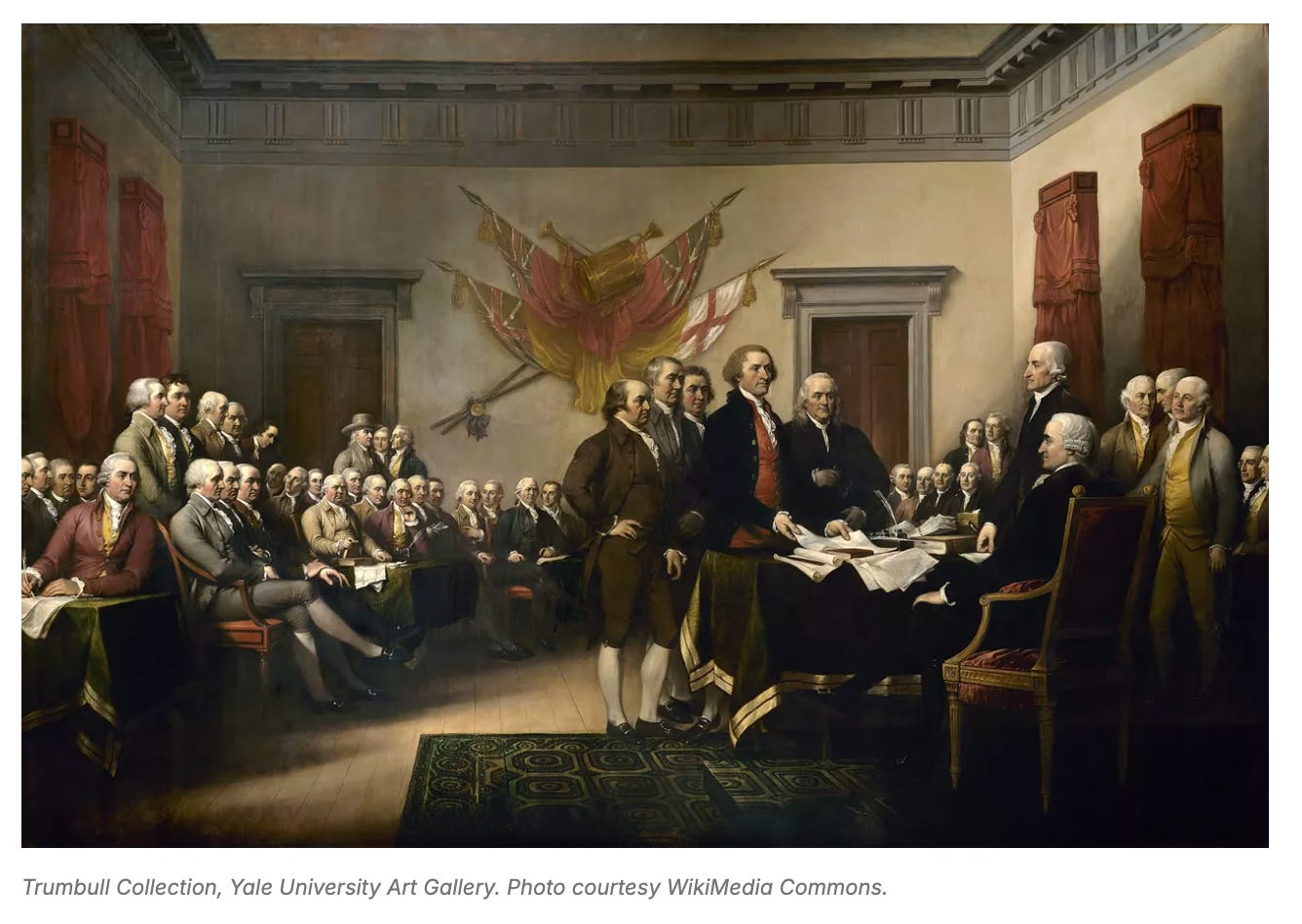
By the early 20th century, liberalism still broadly embraced those commitments but also came to include support for an assertive labor movement, an active regulatory state, and a generous welfare state to check the perceived excesses of capitalism. The Great Depression further discredited laissez-faire in the eyes of many, and the New Deal coalition that followed remade the Democratic Party into a vehicle for managed capitalism rather than free markets. Thinkers like John Maynard Keynes and John Kenneth Galbraith provided the intellectual scaffolding; politicians like Franklin Roosevelt and Lyndon Johnson built the modern regulatory and welfare states. By mid-century, a liberal in America meant something nearly the opposite of what it had meant a hundred years earlier.
I find myself caught between these two philosophical paradigms. My study of economic history has led me to conclude that capitalism has the strongest track record of lifting people and nations out of poverty — yet I also recognize that very same economic system responsible for lifting billions of people out of extreme poverty has left large segments of the population behind while imposing short-term harm on many others.
The immense progress facilitated by capitalism over the past two centuries means little to the Nottinghamshire Luddite whose livelihood was destroyed when power looms displaced his craft, the Massachusetts mill worker put out of a job during the Second Industrial Revolution, or the Michigan factory worker left without work amid automation and globalization.
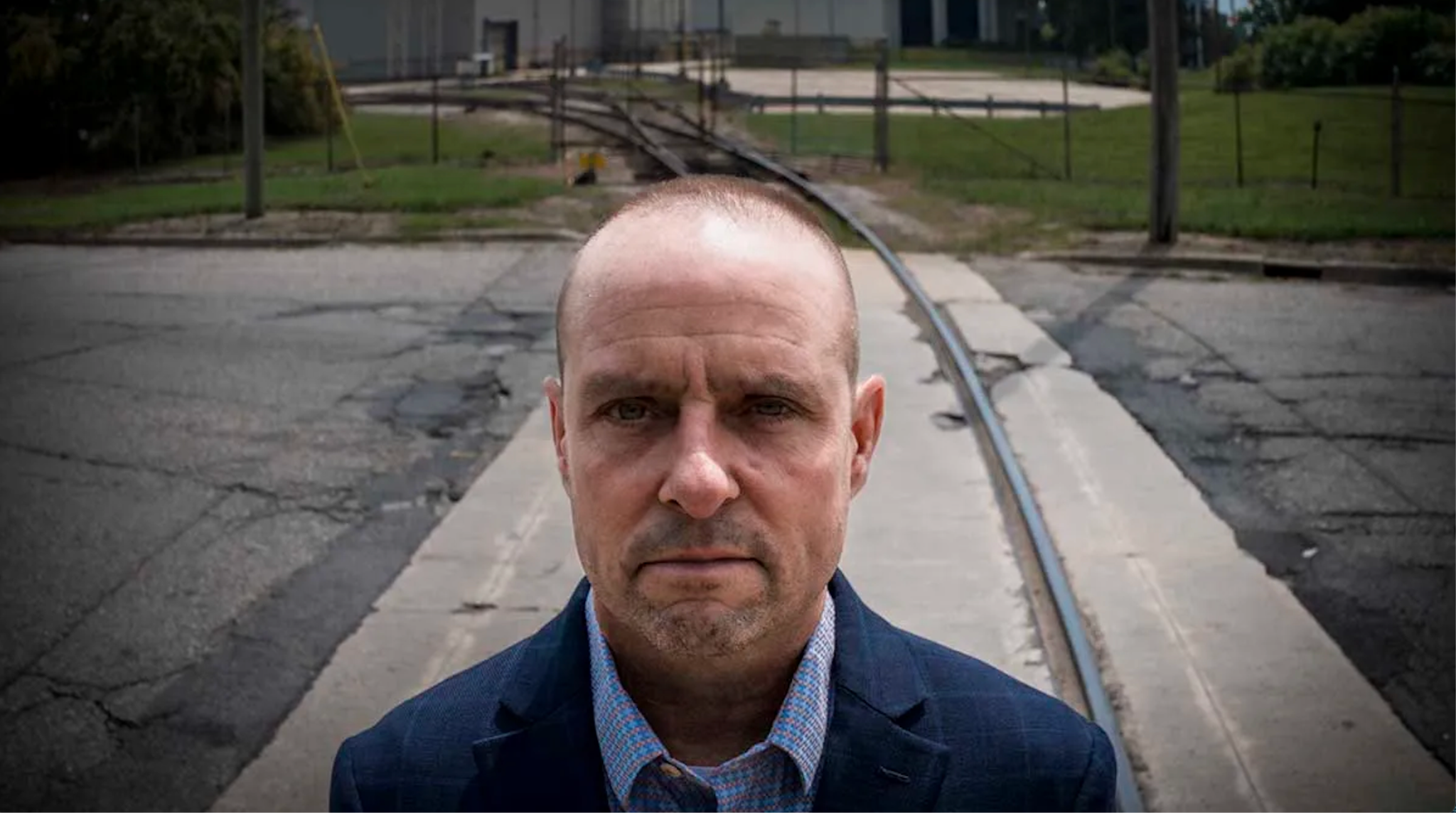
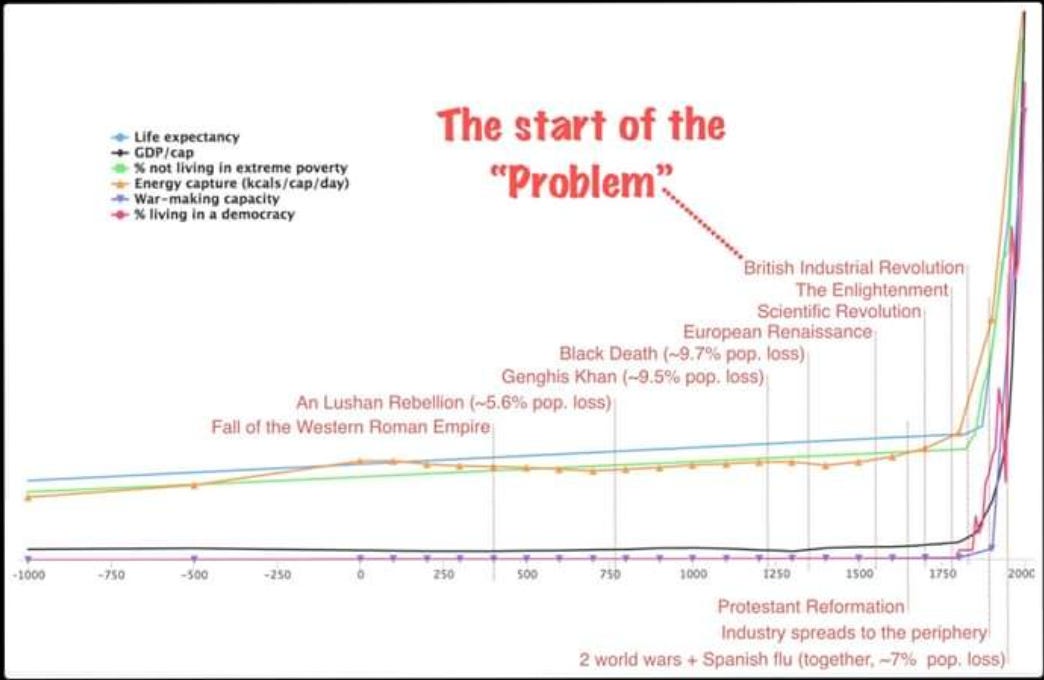
These are not abstractions. They are real human costs borne by real people who had little say in the matter and fewer resources to cushion the blow. Any honest defense of capitalism must reckon with them squarely — not wave them away as casualties of progress or acceptable tradeoffs. But any fair overview of global trends since the emergence of modern market institutions must also account for the immense progress that the slow, steady, uneven rise of liberal capitalism has coincided with and often been causally responsible for producing.
The 1,000-Foot View
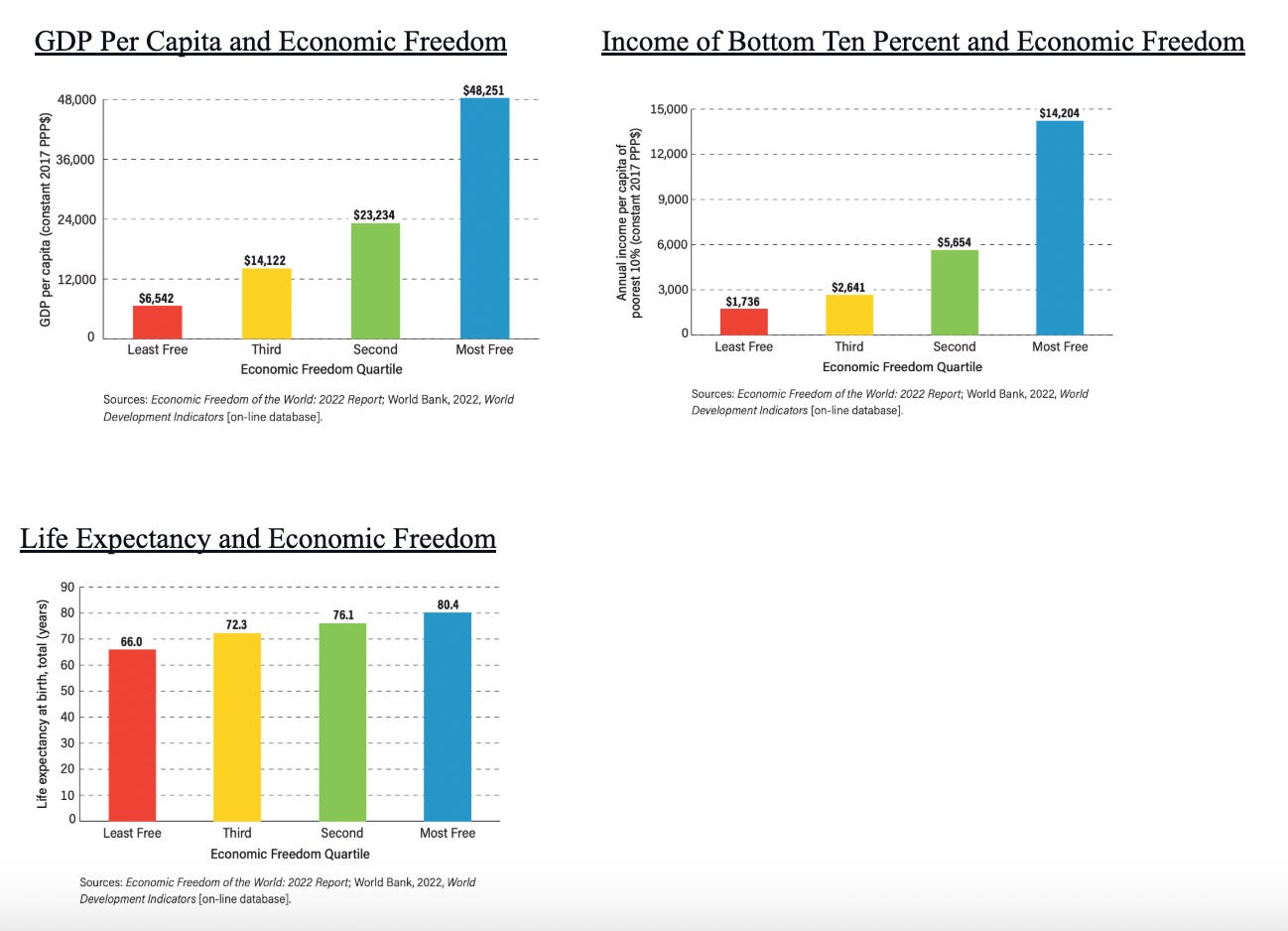
A country’s level of economic freedom — the extent to which it upholds private property rights, free trade, and minimal state interference in the economy — is one of the strongest predictors of its material living standards, poverty reduction, life expectancy, and countless other measures of human flourishing.
In every inhabited region of the world, freer societies outperform their more statist counterparts. The countries in the top quartile of economic freedom have average per capita incomes roughly eight times higher than those in the bottom quartile, and crucially, even the poorest citizens in market-oriented economies are dramatically better off in absolute terms.
Capitalism won the Cold War because Soviet communism collapsed under the weight of its own internal contradictions. The United States has outpaced nearly every other developed economy in recent decades largely because it has remained more dynamic, entrepreneurial, and open to innovation than its peers. Meanwhile, socialist central planning in Venezuela has failed to deliver prosperity and freedom in the 21st century, just as it did in the 20th.
Reactionary right-wing politics, of the sort represented by leaders like the recently defeated former Hungarian Prime Minister Viktor Orbán and President Trump, have similarly poor track records. Under Orbán, Hungary slid from a promising post-communist democracy into what he proudly called an “illiberal state”: eroding judicial independence, muzzling the press, and replacing free markets with crony capitalism, all while delivering economic stagnation rather than the promised prosperity. The United States remains the world’s premier superpower, but economic growth is slowing, populism is rising, and our broadly liberal institutions seem increasingly fragile. Authoritarianism of the right is no more a solution to the failures of liberalism than authoritarianism of the left. Both trade the difficult, open-ended work of self-governance for the seductive simplicity of a strongman with answers.
Liberalism in Retreat
Turn on the news anywhere in the world, and you will see freedom in retreat and a globe that seems to be on fire. As Billy Joel put it in his 1989 classic: “We didn’t start the fire. It was always burning since the world was turning.”
There is real comfort in that observation. The threats to liberal order are not unprecedented, and liberal democracy has survived worse — fascism, communism, the Great Depression, and two world wars. But history also teaches us not to be complacent. The period from 1870 to 1914 looked, to those living through it, like a permanent condition of progress and openness. It ended with the assassination of an archduke in Sarajevo and spiraled into catastrophe within weeks. The blessings of a liberal order are fragile, and they have been squandered before. As the economist John Maynard Keynes wrote in his timeless 1919 book The Economic Consequences of the Peace:
The inhabitant of London could order by telephone, sipping his morning tea in bed, the various products of the whole earth, in such quantity as he might see fit, and reasonably expect their early delivery upon his doorstep; he could at the same moment and by the same means adventure his wealth in the natural resources and new enterprises of any quarter of the world, and share, without exertion or even trouble, in their prospective fruits and advantages; or he could decide to couple the security of his fortunes with the good faith of the townspeople of any substantial municipality in any continent that fancy or information might recommend. He could secure forthwith, if he wished it, cheap and comfortable means of transit to any country or climate without passport or other formality, could despatch his servant to the neighboring office of a bank for such supply of the precious metals as might seem convenient, and could then proceed abroad to foreign quarters, without knowledge of their religion, language, or customs, bearing coined wealth upon his person, and would consider himself greatly aggrieved and much surprised at the least interference. But, most important of all, he regarded this state of affairs as normal, certain, and permanent, except in the direction of further improvement, and any deviation from it as aberrant, scandalous, and avoidable. The projects and politics of militarism and imperialism, of racial and cultural rivalries, of monopolies, restrictions, and exclusion, which were to play the serpent to this paradise, were little more than the amusements of his daily newspaper, and appeared to exercise almost no influence at all on the ordinary course of social and economic life, the internationalization of which was nearly complete in practice.
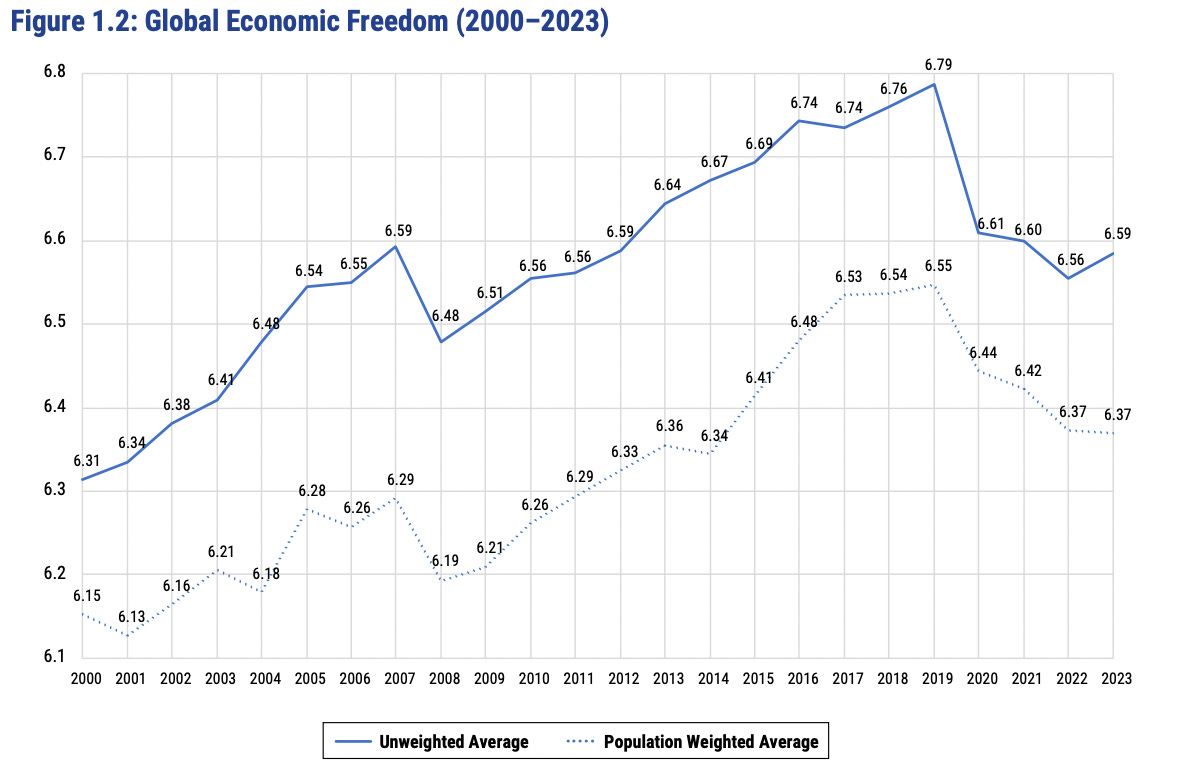
Nevertheless, the growing sense — and, in many cases, the reality — that our country and the world are headed in the wrong direction threatens to undermine the gains liberalism has delivered over the past two centuries. Global democracy has been in retreat for a decade, and global capitalism since 2019. In the meantime, classical liberalism has become a convenient scapegoat for members of both parties. Populists on the left blame markets for the persistence of poverty amid plenty, while populists on the right blame immigrants and international trade for the grievances of a working class that feels left behind by the very globalization liberals championed.
Neither diagnosis is serious, and neither prescription would survive contact with history. It is therefore imperative that my generation rediscovers, reaffirms, and reasserts liberal values in our public discourse before the vacuum is filled by something far worse.
The Case for a New Liberal Center
Revolutionary sentiment may be chic among my generation, but it has failed across the ages and across the world. The French, Russian, Chinese, and Iranian revolutions each promised liberation and delivered tyranny.
Today’s democratic socialists would do well to confront that record honestly rather than insisting, as each successive generation of true believers has, that this time will be different and that real socialism has simply never been tried. Similarly, a new generation of conservatives ought to remember to conserve the founding values — the rule of law, separation of powers, and a free press — that are being actively undermined by the current administration, rather than cheering their demolition. Both impulses deserve to be actively countered. Not ignored, not accommodated. But countered with better ideas.
What would those better ideas look like in practice?
Our courts must uphold the Constitution against illiberal authoritarians on both the left and the right. Checks and balances are not bureaucratic obstacles to progress; they are the hard-won institutional architecture that prevents any single faction — whether a revolutionary vanguard or a demagogic president — from concentrating power at the expense of everyone else. The right to dissent must also be protected, regardless of the speaker, the speech, or the powers that be.
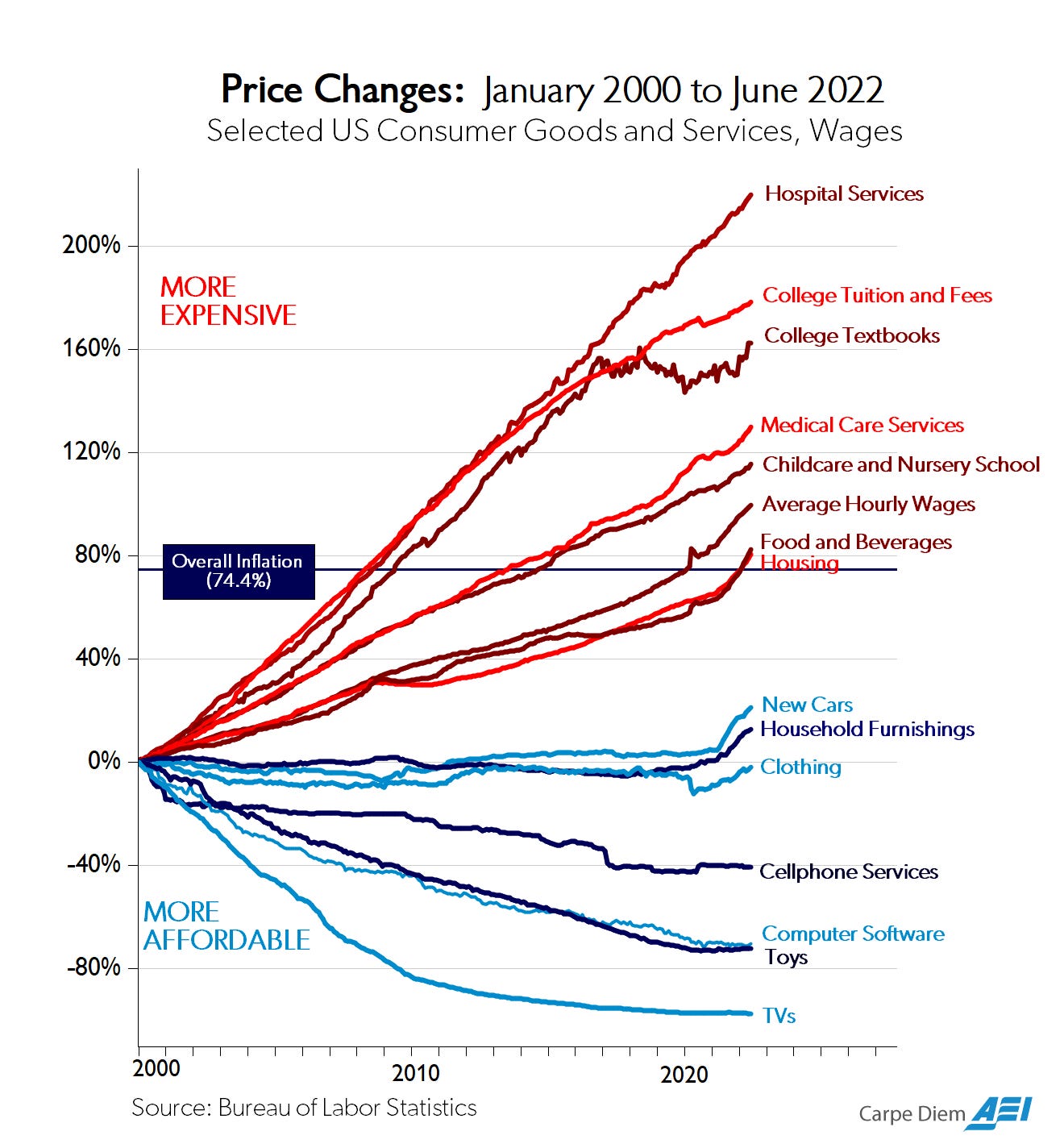
Policymakers at every level of government must learn to embrace market solutions to our most pressing problems. The affordability crisis gripping housing, healthcare, and higher education is not a failure of markets — it is largely a failure of policy. Supply-side restrictions and demand-side subsidies have created the very conditions that make socialism seem attractive to a generation of young people who cannot afford to buy a home or pay off their student loans. The answer is not more intervention. The answer is to remove the interventions that broke things in the first place.
Fiscally, the federal government must get serious about the national debt. Default, hyperinflation, and financial collapse are not hypothetical — they are the predictable destinations of a trajectory we are already on. That means entitlement reform, reductions in military spending that do not serve genuine national security interests, and a welfare state that is targeted toward those truly in need without becoming a fiscal albatross that crowds out investment in the future.
Culturally, we need a revival of the liberal virtues that made this country’s progress possible: free speech, open debate, tolerance for dissent, and a commitment to judging individuals on their merits rather than on their racial or ideological identity. The woke left’s insistence on collective guilt and equality of outcome is not a more compassionate form of liberalism — it is a betrayal of it. It replaces the hard work of building a genuinely colorblind meritocracy with a zero-sum scramble over identity that inflames resentment and corrodes the social trust that democratic institutions depend on to function.
None of this is easy. Liberalism has never been easy. It asks us to live with uncertainty, to accept imperfect outcomes, and to resist the temptation of leaders who promise to cut through the complexity and deliver justice by force. But the alternative — the long, bloody ledger of the 20th century — should concentrate our minds.
The world liberalism built, for all its flaws and contradictions, is the most prosperous, most free, and most humane world human beings have ever inhabited. That achievement is worth defending. And defending it begins with saying so, forcefully and without apology.

Thank you for reading and engaging! We want Boyd’s funding to come from core supporters who want to be part of the conversation. For that to work, we need people like you to step up now, while it’s still early.
Here’s what we’re offering:
Supporter ($10/month) and (Annual $120/year): Access to our private Discord community and a quarterly call, where you can talk directly with us and other members
Founding Partner ($1,000/year): Everything above, plus a monthly one-on-one call with us.
The Boyd Institute is a 501(c)(3). All contributions are tax-deductible. If you’re able to give through a Donor Advised Fund or make a direct donation beyond a subscription, it would meaningfully extend what we can do. Reach out to [email protected].
If you’d like to become more familiar with Austin’s style of thinking and writing, as well as his classical-liberal worldview, here are a few additional pieces he’s published that encapsulate such vibes:

Note: this is an experiment we are extremely excited about and we hope to continue going forward. If you are a college student and interested in working with us next summer or perhaps over the winter months, make sure to reach out.
Great choice! I’ve enjoyed many of Austin’s essays, and I’m looking forward to seeing his contributions to Boyd.
A match made in market Heaven. Looking forwards to more “market fundamentalist” takes!